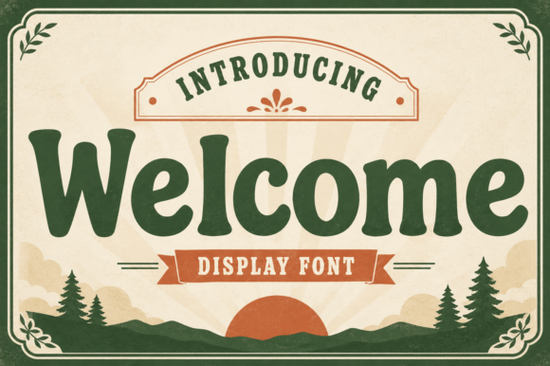
If you’ve been searching for a display font that feels both nostalgic and fresh, Welcome Font might be exactly what your next project needs. It’s a slab serif with rounded curves and retro charm not too stiff, not too playful, but just right for designs that want to feel inviting without losing their boldness. Whether you’re designing café menus, kids’ apparel, or branding materials for small businesses, this font brings personality without overwhelming the message.
What makes Welcome Font stand out in a crowded display font category?
It’s got presence. The characters are thick and clear, making them readable even at smaller sizes or from a distance perfect for signage or packaging. But it’s the subtle quirks that give it soul: slightly uneven serifs, gentle curves on letters like “g” and “a,” and terminals that taper just enough to feel handmade. These aren’t flaws they’re intentional design choices that make Welcome Font feel human and approachable.
You’ll notice it works especially well when paired with clean sans-serifs or handwritten scripts. Try using it for headlines while keeping body text minimal that contrast lets Welcome shine without competing for attention.
Where should I use this font?
- Branding projects logos, shopfront signs, packaging labels where warmth matters (think bakeries, boutiques, or craft studios).
- Kids’ products storybooks, t-shirts, classroom decor. Its soft edges feel safe and fun.
- Event posters farmers markets, holiday bazaars, local theater shows. It grabs attention without screaming.
- Social media graphics quote cards, announcement banners, Instagram stories. Bold enough to stop scrolling, friendly enough to keep people reading.
If you liked the cozy vibe of fonts like Welcome Christmas or the bold attitude of Grinched 20, you’ll probably enjoy how Welcome sits comfortably between those two moods. It doesn’t lean fully into holiday cheer or edgy rebellion it’s more versatile than that.
Is it easy to pair with other fonts?
Yes and that’s one of its strongest features. Because it’s got such clear structure beneath its charm, it plays nicely with almost anything. Here are three simple pairing ideas:
- With a thin sans-serif try something like Montserrat Light or Raleway ExtraLight for body copy. The contrast creates balance.
- With a script font if you need elegance mixed with friendliness, pair it with something flowing like Pacifico or Great Vibes.
- Alone, all caps, centered sometimes less is more. A single word in Welcome, uppercase, centered on a blank background? Instant impact.
For heavier, grittier vibes, check out College Black. For something more polished and professional, Designer Font offers sleek alternatives. But if your goal is warmth with weight, Welcome holds its own.
Does it support multiple languages or special characters?
It includes extended Latin characters, so you’re covered for most Western European languages French, Spanish, German, Portuguese, etc. You’ll also find basic punctuation, numerals, and common symbols. No ligatures or stylistic alternates, which keeps things simple for beginners or fast-turnaround projects.
That said, if you’re working on multilingual packaging or global campaigns, double-check glyph coverage before committing. For most Etsy sellers, local shops, or hobby designers, though, it’s more than sufficient.
How does licensing work for print-on-demand or commercial use?
Creative Fabrica’s standard license covers personal and commercial use including POD platforms like Redbubble, Teespring, and Printful. You can use Welcome Font on physical products you sell, digital templates, social media, even client work. Just don’t redistribute the font file itself or claim you designed it.
Always download the latest version after purchase updates sometimes include improved kerning or added glyphs. And remember: licenses are per user, so if you’re part of a team, each designer needs their own license.
Looking for similar styles? Explore other versions and bundles sometimes grabbing a pack gives you more flexibility (and savings) down the line.
Quick checklist before you start designing:
- ✅ Test readability at different sizes especially if printing small.
- ✅ Pair with a neutral font for body text to avoid visual clutter.
- ✅ Use tracking (letter spacing) sparingly tight kerning is part of its charm.
- ✅ Save a PNG mockup before finalizing screen and print renderings can vary.
- ✅ Keep your license handy in case clients ask about usage rights.
Start simple. Pick one project maybe a greeting card or a product label and let Welcome Font do the heavy lifting. Its charm isn’t loud, but it lingers. That’s the kind of design that gets remembered.
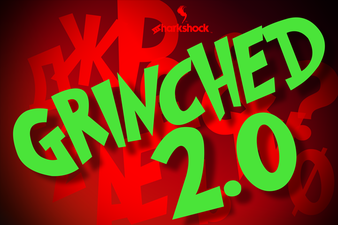 Grinched 2.0: Creative Font Design for Projects
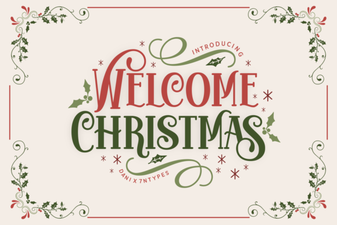 Free Welcome Christmas Fonts for Festive Designs
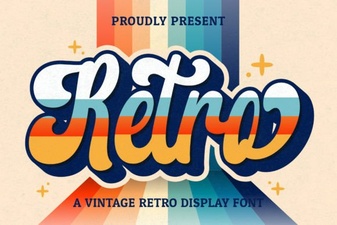 Retro Script Font Designs for Vintage Projects
 Crafting Projects with Creative Designer Fonts
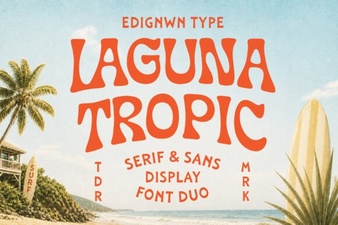 Laguna Tropic Font for Creative Design Projects
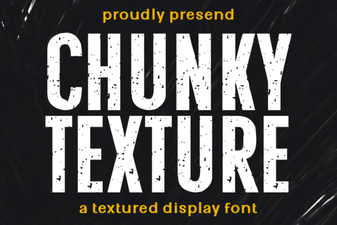 Craft Bold Graphics with Chunky Text Fonts