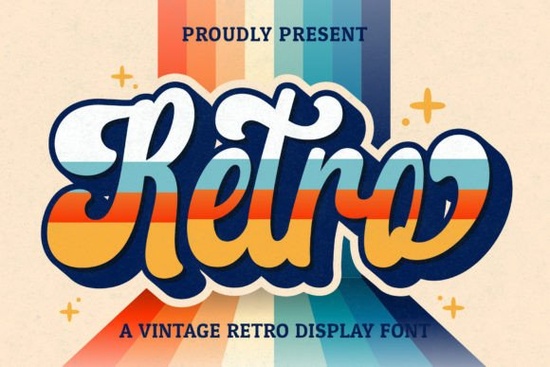
If you’ve been searching for a handwritten font that feels like it stepped right out of a 1970s diner sign or a vintage concert poster, Retro Script Font might be exactly what your next project needs. It’s got that relaxed, slightly uneven charm of real handwriting but with the polish and consistency digital designers rely on. Whether you’re making wedding invites, branding a small business, or just jazzing up an Instagram story, this font adds personality without overwhelming your layout.
What makes it especially handy is that it’s PUA encoded. That means all those extra swashes, alternate characters, and stylistic flourishes? You don’t need special software or keyboard gymnastics to access them. Just open your design tool whether it’s Canva, Adobe Illustrator, or even Silhouette Studio and they’ll show up in your glyph panel or character map. No digging through PDF cheat sheets or installing multiple font files.
Who actually uses a font like this?
It’s not just for nostalgia buffs. Here’s where Retro Script really shines:
- Small business owners – Think coffee shops, record stores, or handmade soap brands. A script like this gives off “locally loved” energy without looking corporate or stiff.
- Print-on-demand sellers – Retro Script looks great on mugs, tote bags, and t-shirts. Pair it with a clean sans-serif for contrast, and you’ve got merch that stands out.
- Wedding designers – Use it for place cards, menus, or signage. The hand-drawn vibe softens formal events without looking sloppy.
- Social media creators – Quotes, announcements, or Reels overlays feel more personal when the text has a human touch.
And if you’re into craft projects think vinyl cutting, embroidery digitizing, or even chalkboard lettering this font scales cleanly and holds up well at different sizes.
How does it compare to other display fonts?
Not every script font plays nice with modern tools or offers full glyph support. For example, Jennie’s House leans sweeter and more whimsical great for baby showers or bakery logos. Laguna Tropic brings beachy, sun-bleached energy, perfect for summer campaigns. Meanwhile, Welcome is bolder and more structured, ideal when you need something eye-catching but still legible from across the room.
If you’re after something with similar retro flair but a different rhythm, check out Sunspell. It’s got that same vintage soul but with tighter spacing and sharper terminals better for headlines than body text.
For a deeper look at how Retro Script stacks up visually against others, you can browse examples and licensing details directly on Creative Fabrica: Retro Script Font.
What should you avoid when using this font?
Like any display font, less is more. Don’t try to set paragraphs in it save it for headlines, accents, or short phrases. And while those swashes are fun, overusing them can make your design feel cluttered. Stick to one or two per word, max.
Also, test readability at smaller sizes. Some of the thinner strokes might disappear on low-res screens or printed materials unless you bump up the weight or add a subtle stroke outline.
Can you use it commercially?
Yes. Retro Script comes with a commercial license when you download it through Creative Fabrica’s subscription or single purchase. That covers print-on-demand, client work, merchandise, and social media even if you’re selling the final product. Always double-check the current license terms on their site, but historically, their standard license is generous for indie creators and small studios.
A quick checklist before you start designing:
- Install both OTF and TTF versions if available some apps handle one better than the other.
- Open your glyph panel to explore alternates. You’ll find hidden gems that change the whole feel of a word.
- Pair it wisely try a neutral sans-serif (like Montserrat or Lato) to balance its personality.
- Export mockups at actual size to catch any thin-line issues before printing or uploading.
Fonts like this don’t just “look cool” they help your audience feel something. Retro Script doesn’t scream for attention; it invites people in with warmth and familiarity. If your project needs that kind of quiet confidence, give it a spin.
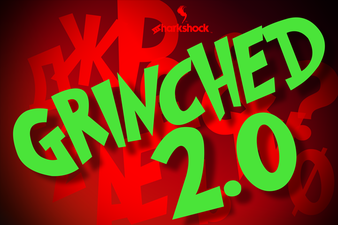 Grinched 2.0: Creative Font Design for Projects
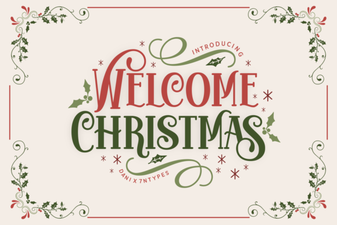 Free Welcome Christmas Fonts for Festive Designs
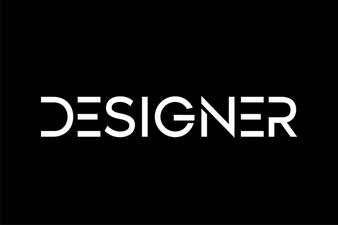 Crafting Projects with Creative Designer Fonts
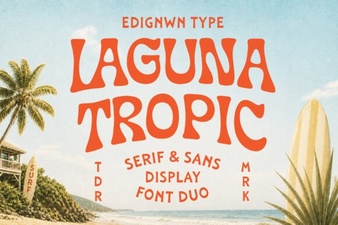 Laguna Tropic Font for Creative Design Projects
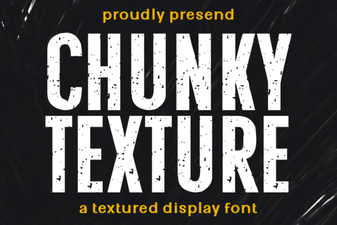 Craft Bold Graphics with Chunky Text Fonts
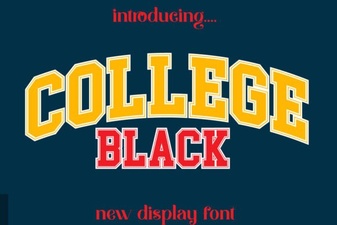 Bold Black Typography for College Projects