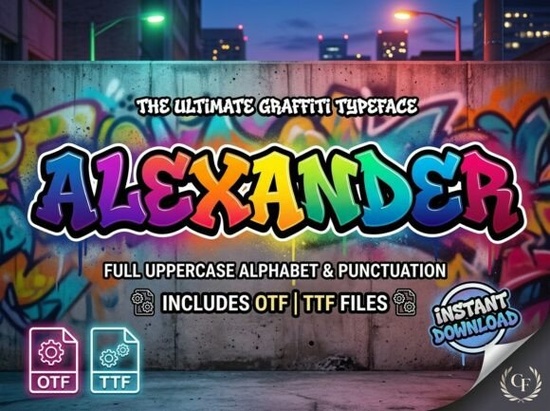
If you’ve been searching for a font that feels more like art than type, the Alexander Font might be exactly what your next project needs. It’s not your everyday sans-serif or script this one leans into bold, decorative styling with personality to spare. Whether you’re designing merch, branding a small business, or just playing around with social media graphics, Alexander brings a handcrafted, eye-catching quality without looking messy or unprofessional.
What makes this font stand out in a crowded market?
Let’s be honest there are thousands of display fonts out there. But Alexander doesn’t just look different; it behaves differently too. The letterforms carry subtle artistic quirks slight flourishes, unexpected curves, and weighted strokes that give each character presence. You don’t need to pile on effects or layer textures to make it pop. Just set your headline, and it does the work for you.
It’s especially useful if you’re tired of seeing the same trendy fonts everywhere. Check out how it looks in action: Alexander Font. Even at smaller sizes, the details hold up well, which is rare for decorative fonts. That makes it surprisingly versatile not just for giant posters but also for packaging labels or embroidered apparel where clarity matters.
Who should actually use this font?
Here’s where it really shines:
- Print-on-demand sellers Think T-shirts, tote bags, mugs. Alexander’s thick strokes and clean outlines translate beautifully to fabric and ceramic transfers.
- Social media creators Quotes, announcements, event promos. This font grabs attention without screaming. It pairs well with minimalist layouts.
- Small creative businesses Coffee shops, boutiques, studios. Use it in logos or signage to signal originality without looking amateurish.
- Event and music designers Flyers, album covers, festival posters. The vibe is artistic but grounded perfect for indie brands or underground scenes.
You’ll find more ideas in our collection of decorative fonts if you want to compare styles or build a toolkit.
Will it work with the tools I already use?
Yes and that’s part of why it’s so practical. Whether you’re deep into Adobe Illustrator or just starting out in Canva, Alexander installs and behaves like any standard font. No weird compatibility issues. No missing glyphs. It even works smoothly in Cricut Design Space, which is a big deal if you’re cutting vinyl or heat transfer designs.
On Mac or PC? Doesn’t matter. OTF and TTF files are included, so you’re covered either way. And because the spacing and kerning are well-tuned, you won’t spend half your time manually adjusting letters to look right.
Any tips for pairing it with other fonts?
Alexander is meant to be the star, so keep supporting fonts simple. A clean sans-serif like Montserrat or Helvetica Neue lets it breathe. Avoid pairing it with other decorative fonts that’s when things start to feel cluttered.
For color, try high contrast: black on cream, white on charcoal, or even metallic gold on deep navy. The font’s structure holds up under bold color choices, which helps when you’re designing merch or packaging that needs shelf appeal.
Is it worth buying over free alternatives?
Free fonts often come with compromises limited characters, poor kerning, licensing restrictions. Alexander includes full punctuation, numerals, and multilingual support (Western European languages), which matters if you’re selling products or designing for clients.
The license also covers commercial use, so whether you’re making 10 shirts or 10,000, you’re covered. That peace of mind alone can justify the cost, especially if you’re running a small business or side hustle.
Quick checklist before you start using Alexander Font:
- Install both OTF and TTF test which works better in your main software.
- Stick to headlines and short phrases it’s not built for paragraphs.
- Pair with a neutral sans-serif let Alexander do the talking.
- Check your print mockups at actual size some details may need scaling adjustments.
- Save your license info you’ll want it handy for client projects or POD platforms.
Start simple. Try it on a quote graphic or a product label first. Once you see how it transforms ordinary text into something memorable, you’ll find yourself reaching for it again and again.
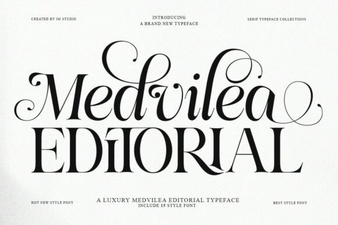 Medvilea Font: Editorial Designs and Creative Projects
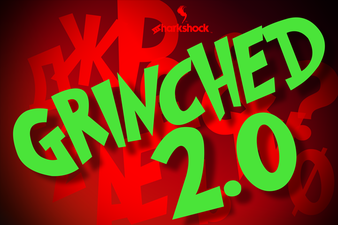 Grinched 2.0: Creative Font Design for Projects
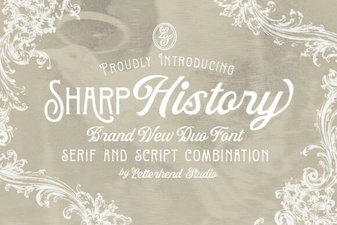 Exploring Sharp History Fonts for Modern Web Design
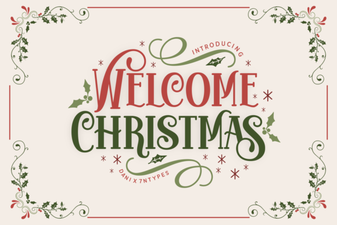 Free Welcome Christmas Fonts for Festive Designs
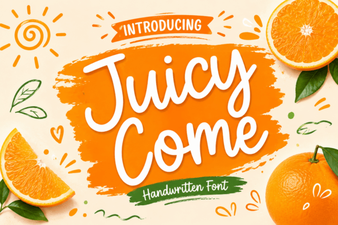 Juicy Come Font: Bold Script Font for Vibrant Design
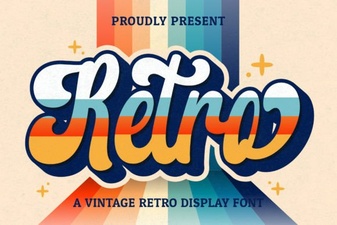 Retro Script Font Designs for Vintage Projects