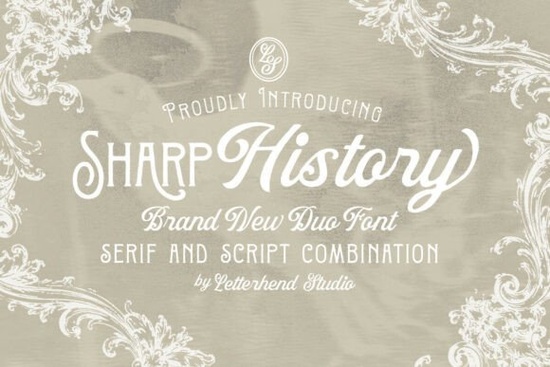
If you’re looking for a font that brings warmth, character, and a touch of vintage elegance to your designs, Sharp History might be exactly what you need. It’s not just one font it’s a duo: a decorative serif with ornamental flair and a smooth script that flows like handwritten ink. Whether you’re designing wedding invites, packaging labels, or branding materials, this pair works together to create balance without feeling forced or overly trendy.
The serif style in Sharp History has subtle detailing think gentle serifs, tapered strokes, and a structure that nods to classic typography without being stiff. Pair it with the script, which moves with a natural rhythm, perfect for names, quotes, or signature-style accents. Together, they feel intentional, not mismatched. You’ll find yourself reaching for this combo again and again when you want something that feels both personal and polished.
What kinds of projects work best with Sharp History?
This font duo shines in spaces where personality matters. Think:
- Wedding stationery invitations, menus, place cards, thank-you notes
- Small business branding logos, labels, shop signs, social media graphics
- Editorial layouts magazines, zines, book covers, blog headers
- Greeting cards birthdays, anniversaries, baby showers, holidays
- Packaging design candles, soaps, tea boxes, boutique goods
It’s especially useful if you’re creating print-on-demand products. The script adds a handcrafted vibe customers love, while the serif keeps things grounded and readable. If you’ve ever struggled to find fonts that complement each other without clashing, take a look at how these two interact they’re designed to support, not compete.
How does it compare to other serif fonts?
Not all serifs carry the same mood. Some are bold and modern, others minimalist and corporate. Sharp History leans into vintage charm without going full Victorian. Its serif companion has enough detail to feel special but not so much that it overwhelms small text or tight layouts. For a similar editorial feel, you might also explore Medvilea, which offers a more structured, magazine-ready tone. Or if you prefer sharper contrast and stronger presence, Strong Font delivers impact with clean lines.
But Sharp History? It’s softer. More intimate. Less about shouting and more about whispering elegance.
Is the script easy to use for beginners?
Yes and that’s part of why it’s so practical. The script doesn’t rely on complicated ligatures or require OpenType savvy to look good. Type a name or short phrase, and it already feels intentional. There’s a natural bounce to the letterforms, like someone actually picked up a pen. That makes it forgiving for crafters and small shop owners who don’t have hours to tweak kerning or dig through glyph panels.
You can still dive deeper if you want alternate characters, swashes, stylistic sets but you don’t need to. It works right out of the box, which is rare for script fonts that often demand extra effort to avoid looking robotic.
Can I use this commercially?
Absolutely. Like most Creative Fabrica fonts, Sharp History comes with a commercial license. That means you can use it on products you sell whether that’s printable templates, physical goods, or digital downloads. No extra fees, no attribution required. Just make sure you’re downloading from a legitimate source (like Creative Fabrica directly) to ensure your license is valid.
Any tips for pairing it with other fonts?
Because Sharp History already includes two complementary styles, you often won’t need a third. But if you do, stick with simple sans-serifs for body text something neutral like Montserrat, Lato, or even Arial in a pinch. Let the Sharp History duo handle headlines, accents, or focal points. Avoid pairing it with other ornate scripts or heavy serifs; that’s where things get visually noisy.
If you’re working on a layered design say, a poster or product label try using the script for the main headline and the serif for subheadings or supporting text. Flip it around for variety. The key is letting one element lead while the other supports.
Looking for more vintage-inspired options? You might enjoy browsing other fonts in this category some lean more rustic, others more romantic, but they all share that timeless quality designers keep coming back to.
Before you start designing, here’s a quick checklist:
- Install both font files don’t forget the script AND the serif
- Test readability at small sizes especially for packaging or fine print
- Use sparingly for maximum impact one standout headline beats three competing ones
- Check your commercial license terms always good practice, even if it’s included
- Save your favorite pairings once you find a combo that works, reuse it across projects
Fonts like Sharp History remind us that good design doesn’t have to be loud. Sometimes, it’s the quiet details the curve of a letter, the weight of a stroke that make people pause, smile, and remember.
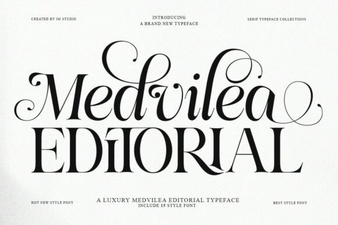 Medvilea Font: Editorial Designs and Creative Projects
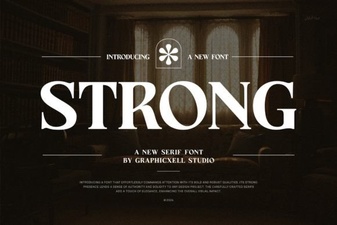 Powerful Typography for Impactful Web Design
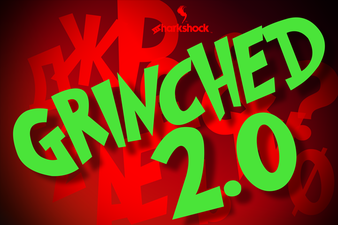 Grinched 2.0: Creative Font Design for Projects
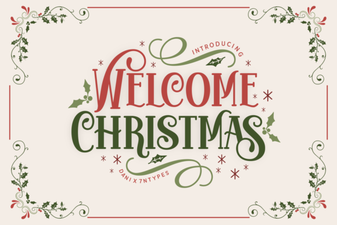 Free Welcome Christmas Fonts for Festive Designs
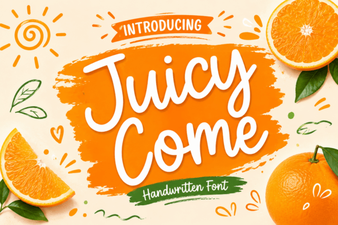 Juicy Come Font: Bold Script Font for Vibrant Design
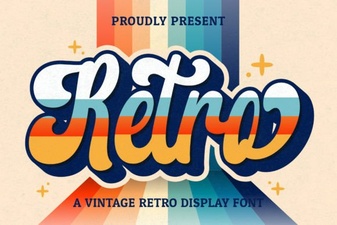 Retro Script Font Designs for Vintage Projects